

Night closures on the A12: the repainting job drivers only notice when the lane line is wrong
 Megan Gilks Posted On September 14, 2026

A run of A12 closures between Chelmsford and Colchester is tied to resurfacing and road marking work, the kind of overnight reset that decides how clearly a road reads by morning.

Lane lines are easy to ignore until they stop making sense at speed. That is the quiet logic behind the latest A12 closures between Chelmsford and Colchester, where overnight possession is being used for resurfacing and road marking work. It sounds routine. It is also the part of a road job that drivers read with their eyes long before they feel anything through the steering wheel.
In brief:
- A12 closures begin at night between Chelmsford and Colchester.
- Works are scheduled from 9pm to 5am.
- The programme includes resurfacing and road marking at Marks Tey Interchange.
A12 closures are about more than fresh tarmac
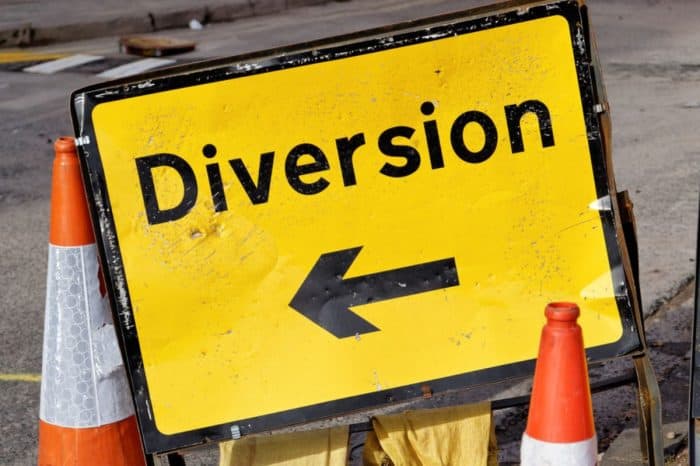
Overnight roadworks often get reduced to the bit people can see from a passing car: cones, a closure sign and a queue where there was not one the day before. The more interesting part comes after the surfacing gang has done its shift. A carriageway is not finished when the new surface goes down. It still has to be made legible.
That is where road marking matters. White lines do not just divide lanes. They tell drivers where the carriageway runs, where the merge begins, how a slip road feeds in and how much room is left when the weather is poor and headlight glare starts flattening everything into the same shade of grey. On a route like the A12, that is less cosmetic touch-up than basic operating system.
The closures reported for the A12 between Chelmsford and Colchester are scheduled overnight from 9pm to 5am, with works including resurfacing and road marking. Marks Tey Interchange is among the named locations in the programme. Night working is the standard compromise on a road of this kind: fewer vehicles to manage, a safer site to work in and just enough time to strip out one layer of the road and give it back before the morning peak starts asking hard questions.
Fresh surfacing and fresh markings are closely linked jobs. If a new running surface is laid, the old lines either disappear or need replacing to suit the renewed carriageway. That means setting out the markings again so lane alignment, edge lines and directional information all sit where they should. Get that right and most people never think about it. Get it wrong and the road suddenly feels odd, especially in darkness or rain.
For drivers, the annoyance is the closure. For the road operator, the risk is confusion after the closure ends. That is why the marking phase is treated as a live safety job, not decoration. It sits in the same family of work as the legal changes and layout tweaks covered in this look at the quiet steps that make new road arrangements work. Roads have to be understandable as well as open.
The A12 is one of those roads where that clarity matters quickly. It carries long-distance traffic, local trips, freight and the kind of lane-changing that interchanges reliably produce. Marks Tey, in particular, is the sort of junction where markings do heavy lifting. They separate hesitation from commitment. A driver who misses a lane line or reads a taper late does not need many seconds to create a problem for everyone behind.
Resurfacing itself is the more familiar part of the job. Worn road surfaces can lose texture, become noisier, deteriorate around joints and ironwork and offer a rougher ride. Replacing the upper layer restores the part of the pavement that tyres actually meet. But resurfacing on its own is only half a reset. The road then has to be handed back with the visual information restored, whether that is centre lines, edge lines, lane arrows or interchange markings.
There is also a simple operational reason these tasks are paired. Closing a major route is disruptive, so authorities tend to stack work into the same possession where they can. If the road is shut to renew the surface, it makes sense to complete the marking work within that same window rather than come back later and test public patience all over again.
For residents and regular users, the practical change is immediate but unspectacular: planned overnight disruption now, then a carriageway that should feel cleaner and easier to read once the cones are gone. For the sector, it is a reminder that some of the most safety-critical work on a live road is the least glamorous. Nobody posts excitedly about edge lines. Everybody notices when they are missing.
The closure pattern here is straightforward enough. The works begin tonight, they run overnight between Chelmsford and Colchester until October 10th, and they include resurfacing and road marking at Marks Tey Interchange. If you use the A12 in those hours, expect the usual night-shift bargain: inconvenience while the road is empty, in exchange for a road that makes more sense when it is full.
Stay sharp
Never miss a story
The daily highways digest, straight to your mailbox.
You will get a confirmation email. Unsubscribe anytime. About The Highways Industry Newsletter →
You may also like