
Two junctions, both directions and the kind of M4 closure that scrambles a motorway fast
 Jack Moriarty Posted On September 11, 2026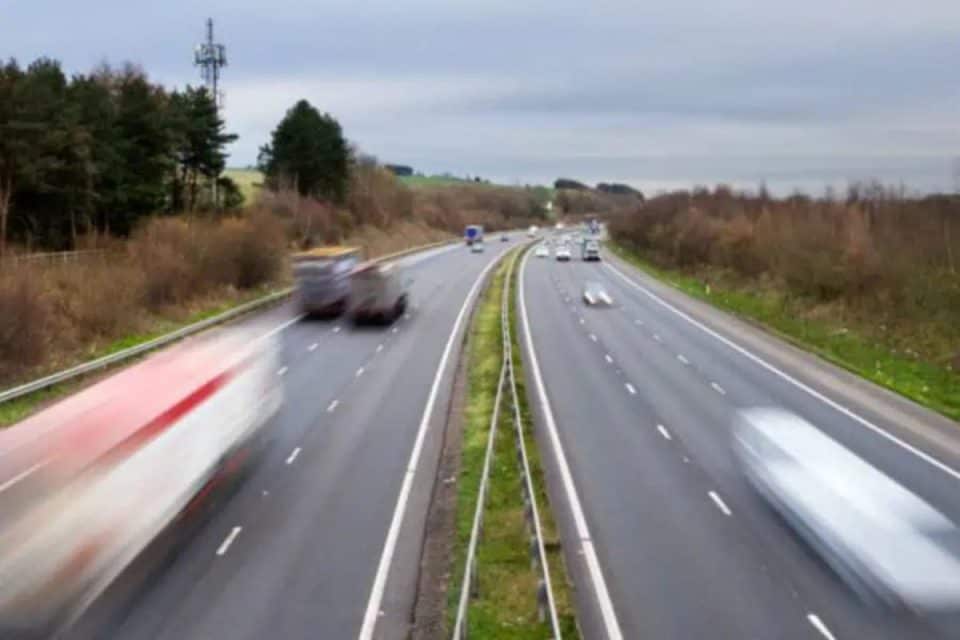
A west London M4 closure between Junctions 3 and 4 has shut both directions while police lead the response, with National Highways resources supporting work at the scene.

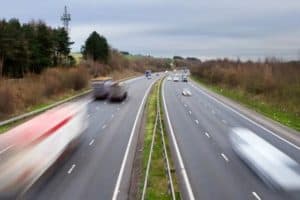
The M4 has been closed in both directions between Junction 4 and Junction 3 in Greater London.
It is a short stretch to describe and a much bigger one to operate once the carriageway becomes an active incident scene rather than a route for moving traffic.
In brief:
- The M4 is closed in both directions between J4 and J3 in Greater London.
- Police are leading the response and closed the carriageway to work at the scene.
- National Highways said it has resources in attendance.
M4 closure between J3 and J4 shows how a motorway incident becomes a working scene
There is a plain hierarchy at live-road incidents, and drivers usually only meet the final version of it: stopped traffic, closure signs and a route that has suddenly ceased to function. In this case, police are leading the response. That matters because once the carriageway is needed for emergency work, the road stops being a transport corridor first and becomes a protected scene first.
National Highways said police had closed the carriageway to allow them to work at scene, with its own resources in attendance. On the strategic road network in England, that means the road operator is supporting a police-led response rather than dictating the pace of it. The motorway reopens when that work is complete and the road can be handed back safely.
That handback is the hidden part of incidents like this. A closure is not simply a matter of blocking traffic and waiting for the queue to vanish. The carriageway has to become a controlled space where responders can work without live traffic moving through it. That requires room, protection and clear control of the road around the incident itself.
It is also why short location descriptions can underplay what is really happening. “Between J4 and J3” sounds neat. In practice, a two-direction closure on a motorway is a large operational event. Traffic has to be stopped from entering the affected section, people already on the route have to be managed safely and the closed road has to stay secure while work continues.
For motorists, the effect is simple enough. A route they expected to use is unavailable in both directions. For everyone managing the network, the task is less simple. The priority is not speed for its own sake. It is safe control of the carriageway while the police-led response continues and National Highways supports the scene.
That is the part motorway users rarely see clearly. The visible disruption is only the surface of it. Underneath sits a set of operational decisions about who controls the road, what kind of access is needed and when it is safe for normal traffic to return. When police close a motorway so they can work at scene, that sequence comes before everything else.
The current closure affects the M4 in Greater London between Junction 4 and Junction 3, in both directions. National Highways has advised that police are leading the response and that the carriageway has been closed so work at the scene can continue.
Stay sharp
Never miss a story
The daily highways digest, straight to your mailbox.
You will get a confirmation email. Unsubscribe anytime. About The Highways Industry Newsletter →