
Highways Drone Services – HDS & Kier Recognised for Safer Street Lighting Inspections
 Marc Hobbins Posted On November 14, 2025
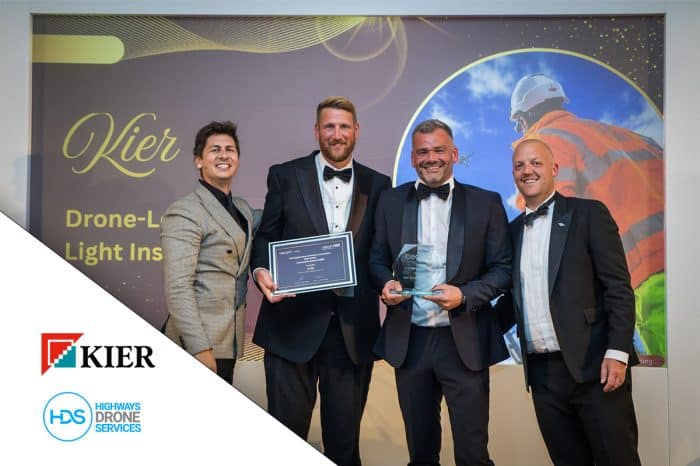
Highways Drone Services, Kier, and Birmingham City Council received a Highly Commended at the HEA Awards for their joint work on safer street lighting inspections. The recognition came in the HEA and HEMSA Safety Initiative and shows a clear shift in how inspections can be delivered across a live network.
IPAF data shows why this shift matters. Over the past ten years on roads and highways, falls from the platform caused 37 fatalities and 4 major injuries. MEWP strikes involving passing vehicles or site plant caused 20 fatalities and 15 major injuries. Overturns added 3 fatalities and 12 major injuries. Traditional street lighting inspections sit inside those risk groups because crews work at height in live traffic using vehicle mounted platforms.
The aim of the project was simple. Reduce the time that operatives and crews spend at height and in live carriageways. Both environments carry risk and both are routine parts of traditional lighting inspections. Vehicle mounted platforms, repeated stops, and hands on checks place crews close to traffic for long periods. The partners wanted a method that kept operatives in safe positions without reducing the quality of the inspection.
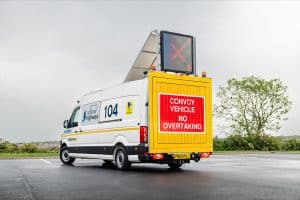
Drones made this possible. During a two week trial, Highways Drone Services used a single Peugeot Boxer and drone system to inspect 751 lighting columns. This produced an average of 75 inspections per day. The traditional setup, which used an IPV, a MEWP, and a 3.5T dropside vehicle, completed 145 columns in the same period, averaging 14.5 per day. The drone method delivered more than five times the output with fewer site hours and fewer exposure points.
Since the trial, Highways Drone Services has inspected more than 9,000 lighting columns using the same method. The scaled results show clear gains. Output increased by 350 percent. Time on the network reduced by about 350 working days. Around 2,800 crew hours were saved. Total cost dropped by about 60 percent. About 9,000 kg of CO₂ were removed from the process.
Safety gains were clear. Operatives did not need to climb equipment or work at height. Crews stayed away from the carriageway. There was no need to position large vehicles in traffic or carry out checks close to moving vehicles. Each flight captured a full set of images with no contact required. This removed the main causes seen in MEWP incident data, including falls from the platform, overturns, and vehicle strike.
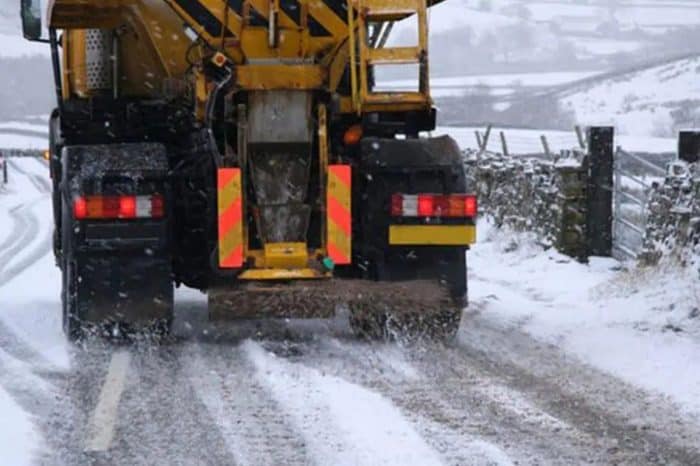
Environmental gains were significant. The traditional method relied on heavy diesel vehicles that idled for long periods and moved short distances between each column. The drone method used a light diesel van to reach each route. Fuel use dropped and CO₂ output dropped. The results from the wider 9,000 column programme show that the same pattern continues at scale.
Cost reductions followed the same pattern. With fewer crew hours, fewer vehicle movements, and faster outputs, the full cost per inspection fell. Drone capture produced high quality visual data that could be reviewed from an office location. This removed the need for follow up checks and cut repeat visits. A single team could cover long routes in a short time with consistent results.
The partners involved made this progress possible. Birmingham City Council supported the trial on live streets and helped test the method in everyday conditions. Kier coordinated operations and aligned the trial with existing processes. Each partner contributed to a delivery model that can scale across wider networks.
Marc Hobbins, Founder of Highways Drone Services, said:
“This recognition reflects the work of everyone involved. Kier and Birmingham City Council were open to trying a new method that keeps operatives and crews safer while improving results. The data speaks for itself. We carried out more inspections, reduced exposure, cut cost, and removed a large portion of carbon from the process. When partners are willing to adopt better ways of working, progress happens fast.”
Highways Drone Services continues to support organisations that want safer and more practical inspection methods. The team delivers lighting surveys, progress checks, condition assessments, and a wide range of visual capture tasks for major contractors and local authorities. To discuss how drones can support your projects, contact hello@highwaysdroneservices.co.uk.
Stay sharp
Never miss a story
The daily highways digest, straight to your mailbox.
You will get a confirmation email. Unsubscribe anytime. About The Highways Industry Newsletter →