

Lower Thames Crossing: How a Regulatory Pilot is Speeding Up Britain’s Greenest Road
 Marc Hobbins Posted On February 5, 2026

The Lower Thames Crossing is setting a new benchmark for UK infrastructure, utilising a first-of-its-kind ‘Lead Environmental Regulator’ model to simplify planning and deliver a landscape-scale nature legacy.
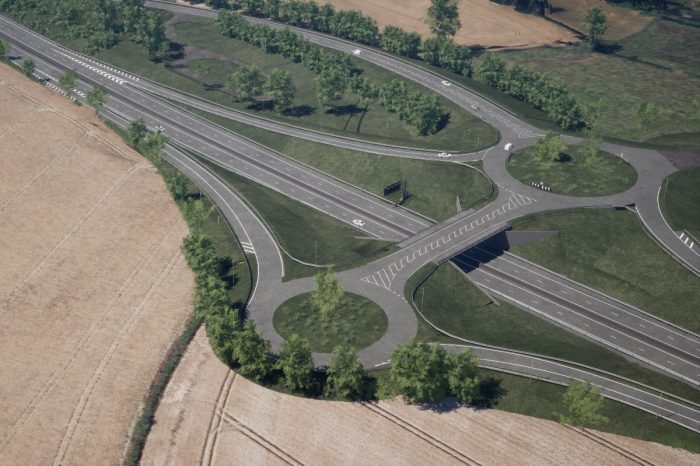
The Lower Thames Crossing (LTC), a multi-billion-pound project designed to alleviate chronic congestion at the Dartford Crossing, is being hailed as a blueprint for the future of British infrastructure. Connecting Kent and Essex via two 2.6-mile tunnels beneath the Thames, the project is moving at an accelerated pace thanks to a revolutionary regulatory pilot led by Natural England.
Ending the ‘Regulatory Merry-Go-Round’
In July 2025, the government appointed Natural England as the Lead Environmental Regulator (LER) for the LTC. This model aims to end the “merry-go-round” of developers dealing with multiple, often overlapping, authorities. Under this pilot, the project benefits from a ‘single front door’ for environmental advice and approvals. Natural England coordinates input from the Environment Agency, the Marine Management Organisation, and other statutory bodies to provide a unified, outcome-focused response.
According to reports on HighwaysIndusty.Com, the practical benefits of this streamlined approach are already evident:
Reduced Risk: Legal requirement amendments that previously took months are being achieved in record time.
Process Efficiency: Shared data and expert advice across regulators prevent conflicting requirements and duplication.
Certainty for Investment: A collaborative ‘can-do’ culture ensures environmental commitments are delivered without the delays typically linked to planning conditions.
A Landscape-Scale Environmental Legacy
While the project is a major economic driver, its environmental ambitions are equally significant. The LTC aims to be Britain’s greenest road, targeting carbon neutrality in construction and the creation of six times more green space than the area taken up by the road itself.
Wetland Restoration at Coalhouse Point
A critical component of the early works is the wetland mitigation at the historic Coalhouse Point. This area is being restored into a vital habitat for climate resilience and bird species, including the Avocet and Black-tailed Godwit. Notably, these works are on track for delivery before the primary construction begins, a feat attributed to the close partnership facilitated by the LER model.
Infrastructure Reimagined: Green Bridges
The project features seven green bridges, vegetated structures designed to reconnect habitats fragmented by the existing road network. These bridges serve a dual purpose: providing safe passage for wildlife, such as the rare shrill carder bee which will benefit from repurposed chalk tunnel spoil, and creating new links for local communities.
“The environmental legacy of this project is significant. From the ambition for green bridges to habitat creation around Coalhouse Point, these measures are critical.” James Seymour, Deputy Director for Sussex and Kent, Natural England
Driving Economic Growth through Partnership
Matt Palmer, CEO of the Lower Thames Crossing, has highlighted that the project will add billions to the UK economy while redrawing the blueprint for low-carbon construction. Recent updates on the LTC supply chain indicate that work is starting this year, with a significant portion of the budget dedicated to local SMEs.
Nick Harris, CEO of National Highways, noted that the LER relationship helps the organisation protect and harness nature on its ‘soft estate,’ which ultimately benefits both the public and the economy.
What’s Next for the LER Model?
As a pilot, the LTC will undergo a formal evaluation. The lessons learned are expected to inform a wider rollout across the UK’s infrastructure sector, potentially speeding up planning decisions for offshore wind, rail, and other nationally significant projects.
By proving that nature recovery and economic growth are not in competition, the Lower Thames Crossing is paving the way for a more efficient, sustainable approach to building Britain’s future.
A Global Template for Infrastructure
The success of the Lower Thames Crossing’s Lead Environmental Regulator pilot extends far beyond the borders of Kent and Essex. By integrating environmental governance directly into the project’s DNA, the scheme is providing a scalable framework for future major infrastructure works globally. As the industry moves toward more stringent biodiversity net gain requirements, the LTC serves as a live laboratory, proving that rigorous ecological oversight can coexist with rapid delivery. This collaborative model is expected to become the gold standard for future ‘Nationally Significant Infrastructure Projects’ (NSIPs), ensuring that the roads of tomorrow contribute more to the environment than they take away.
Stay sharp
Never miss a story
The daily highways digest, straight to your mailbox.
You will get a confirmation email. Unsubscribe anytime. About The Highways Industry Newsletter →