
One quote, one cold patch and the pothole fix that makes road engineers wince
 Jack Moriarty Posted On September 3, 2026
Pothole repair materials matter because the fastest fix and the lasting fix are rarely the same thing. A bagged cold patch can reopen a road quickly, but it is not how authorities want to keep it that way.

A pothole can be filled in minutes and still not really be fixed.
That is the awkward truth sitting underneath a call for councils to buy supplies from hardware stores for emergency road repairs. The image is easy enough to picture: a few bags of patching material, a shovel, traffic held for as little time as possible, and one ugly hole made safe before the next tyre finds it.
In brief:
- A radio report suggested councils should buy hardware-store supplies for emergency pothole repairs.
- For highways teams, that points to cold-lay patch material used as a quick temporary treatment.
- The bigger issue is not buying filler fast, but getting from temporary patching to a proper permanent repair.
Why pothole repair materials decide whether a fix lasts
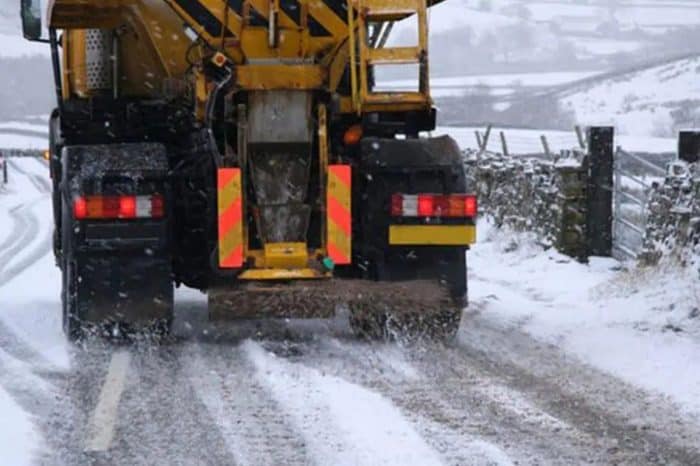
The argument sounds practical because, in one narrow sense, it is. Local highway authorities already use rapid patch materials when they need to make a defect safe at short notice. These are usually cold-lay products: pre-mixed material that can be stored, transported and placed without the heat needed for conventional asphalt. That makes them useful in bad weather, outside normal plant hours or when a crew needs to deal with a dangerous defect quickly.
Useful, though, is not the same as ideal. Cold-lay patching is usually about risk first. It can remove an immediate hazard, reduce the chance of tyre or wheel damage and keep a road open until a permanent repair is planned. But the repair road engineers really want is a cut-out and reinstatement that deals with the failed area properly, with sound edges, suitable material, compaction and drainage considered. Roads fail for reasons. The hole is just the bit drivers can see.
Water is often the main villain. Once it gets into the road structure, traffic loading does the rest. Material loosens, edges break down and the defect returns, often larger and usually at the most inconvenient moment possible. A quick patch can buy time, but if water is still getting in or the surrounding pavement has already weakened, that bought time may not be especially generous.
That is why highways maintenance teams tend to talk about patching, resurfacing and reconstruction as different jobs, not interchangeable ones. Patching is localised. Resurfacing replaces a layer across a wider area. Reconstruction goes deeper when the structure itself has given up. Drivers understandably see one hole and ask why it cannot just be filled once. The answer is that roads are systems, and systems are rude about shortcuts.
There is also a procurement point hiding in the background. Buying a few bags of material quickly is the simple part. Running a maintenance service across a network is harder. Authorities need crews, traffic management, plant, inspection regimes, defect criteria, weather windows and a plan for what gets treated now versus what can wait for larger programmed work. That is why emergency patching sits at one end of the maintenance spectrum and planned works at the other.
It is also why some authorities are trying to intervene earlier, before a road turns one small crack into a full pothole season. Treatments that seal and preserve the surface can be cheaper and less disruptive than repeatedly returning to the same defect after failure has already started. We saw that logic recently in North East Lincolnshire’s use of asphalt rejuvenation on 11 roads, where the aim was to stretch surface life before potholes took hold.
For drivers, the visible difference is simple enough. A temporary repair is often dark, localised and a little rough-edged. A permanent patch tends to look cleaner and more deliberate, because the failed area has been cut back and reinstated rather than simply covered over. The less visible difference is lifespan. One may get a vehicle through the week. The other is supposed to stay through winter.
The wider politics are obvious. Potholes are one of the few highway issues every motorist, cyclist and bus passenger can identify instantly, and everybody has a theory about how to solve them. Some theories involve smarter asset management, some involve more funding, and some involve a trip to the local hardware shop. The first two are more recognisable to anyone who actually runs a road network.
None of that means bagged material has no place. Quite the opposite. On the right defect, in the right conditions and for the right purpose, it is a legitimate part of maintenance practice. The trouble starts when an emergency treatment is mistaken for a long-term answer. A road can be made safe quickly. Keeping it sound is the expensive bit.
So the real question is not whether patch material can be bought off the shelf. It is how often a network is being forced to rely on the shelf in the first place. When potholes keep coming back, the problem is usually beneath the surface, where no bag in a hurry can do much more than keep the worst of it at bay.
Stay sharp
Never miss a story
The daily highways digest, straight to your mailbox.
You will get a confirmation email. Unsubscribe anytime. About The Highways Industry Newsletter →