
Stoke-on-Trent residents frustrated after incorrect road markings removal damages newly resurfaced street
 Jack Moriarty Posted On June 4, 2026

Residents in Stoke-on-Trent have raised concerns after a newly resurfaced road was left with visible surface damage following the removal of school markings that were mistakenly applied to a street where no school has operated for more than a decade.
The incident on Greendock Street in Longton has prompted an apology from Stoke-on-Trent City Council and renewed discussion around quality assurance processes within highway maintenance and road marking programmes.
Markings applied in error following resurfacing works
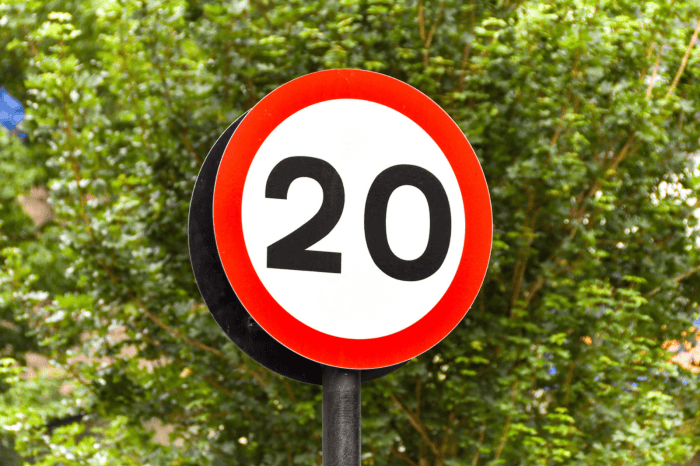
The issue emerged after school road markings were installed on Greendock Street despite there being no school at the location for approximately 15 years.
Following complaints from residents, the council moved to remove the markings, acknowledging that an error had been made during the delivery of the works.
The authority subsequently confirmed that the markings had been removed in full and apologised to residents affected by the mistake.
Residents raise concerns over road surface condition
While the incorrect markings have now been removed, residents argue that the remedial works have left the road surface in a worse condition than before.
The newly resurfaced carriageway reportedly suffered visible scarring following the removal process, with concerns raised over the appearance and finish of the road only days after resurfacing had been completed.
Residents have called for further remedial action to restore the road surface and address any remaining defects.
Importance of Quality Control in Highways Maintenance
The incident highlights the importance of effective quality control and asset verification processes within local authority highways operations.
Road marking schemes typically form part of broader maintenance and resurfacing programmes, requiring accurate asset records, site verification and coordination between contractors and highway teams before works are undertaken.
Mistakes involving road markings can result in additional costs, repeat site visits and potential damage to newly completed highway assets if removal methods are not carefully managed.
Challenges of Removing Road Markings
The removal of thermoplastic road markings often requires specialist equipment such as high-pressure water blasting, grinding or other surface treatment techniques.
While effective at removing markings, these processes can sometimes affect the surface texture of newly laid asphalt, particularly where works are carried out shortly after resurfacing.
As a result, highway authorities must balance the need for swift corrective action with preserving the quality and longevity of the carriageway surface.
Council reviews processes following error
Stoke-on-Trent City Council has indicated it will review how the error occurred and assess lessons that can be learned from the incident.
The authority has also undertaken measures to clear remaining debris from the removal works, with further cleaning and maintenance activity expected where required.
For residents, however, attention remains focused on ensuring the road is restored to the standard expected following recent resurfacing works.
Wider lessons for highway asset management
Although relatively small in scale, the incident serves as a reminder of the importance of accurate asset data and effective project oversight within highways maintenance programmes.
As local authorities continue investing in road renewal and resurfacing schemes, ensuring the correct application of traffic management measures, road markings and associated infrastructure remains critical to delivering value for money and maintaining public confidence in highway improvement projects.
Explore more: Visit our Road Marking section for the latest updates on Professional road marking solutions including thermoplastic lining, high-friction surfacing, and reflective road studs for UK highways.
Stay sharp
Never miss a story
The daily highways digest, straight to your mailbox.
You will get a confirmation email. Unsubscribe anytime. About The Highways Industry Newsletter →